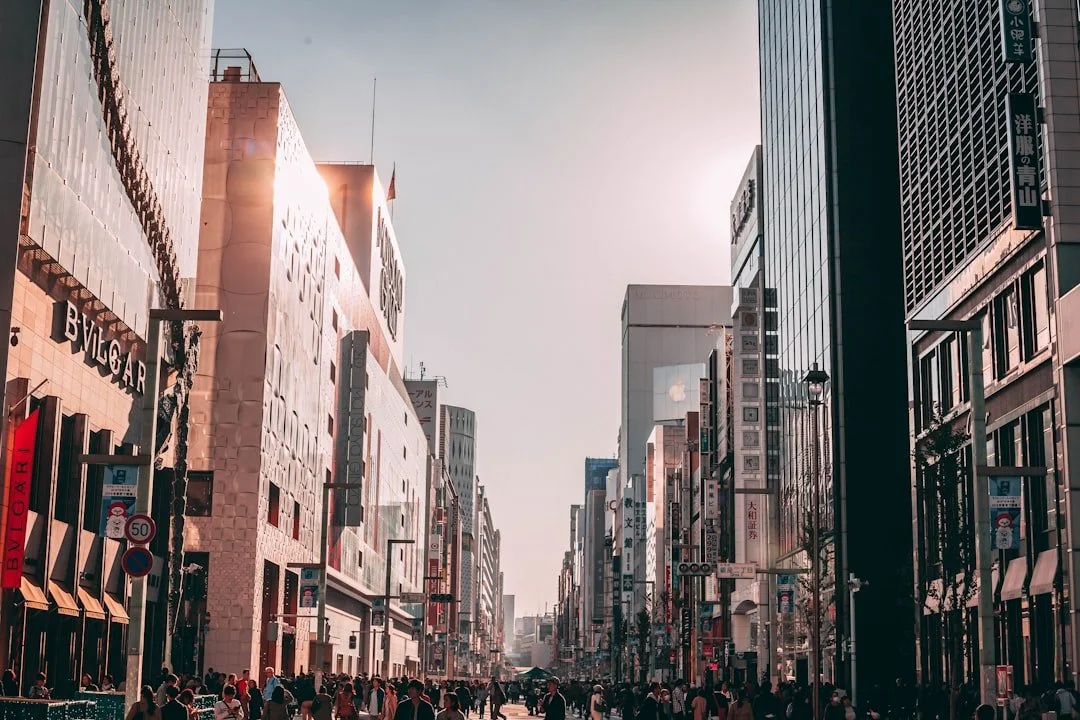
Japan's economy has barely grown in thirty years. Its population is shrinking by close to a million people a year. And its luxury market is having the best run in its recorded history. Those three facts sit together uncomfortably, and working out why is most of what a brand needs to understand before committing to this market.
I have spent years working on the Japanese side of premium and luxury brands - Kate Spade, Tory Burch, Cartier, and more recently a French jeweller opening its first Tokyo flagship - and the current moment is unlike anything I have seen here. It is also more fragile than the numbers suggest.
A luxury boom the wider economy cannot explain
The growth is not coming from Japanese households. It is coming through the airport. According to the Japan National Tourism Organization, 36.9 million foreign visitors came to Japan in 2024, up 27.6% on 2023. What matters more is what they spent: a record 8.1 trillion yen, a 53.4% jump that blew past the previous high of 5.3 trillion.
Read those two numbers together and you have the whole story. Arrivals grew by a quarter; spending grew by half. Visitors are not just more numerous, they are spending far more per head - and a weak yen means a handbag in Ginza can cost meaningfully less than the same bag at home. JTB forecasts more than 40 million visitors in 2025.
What it looks like on the shop floor
The clearest picture I know of comes from Isetan Mitsukoshi's own accounts. Its Isetan Shinjuku flagship - the single most important luxury department store in the country - turned over 375.8 billion yen, up 14.7% year on year and a record. But the number that tells you where the money is coming from sits a few lines below it: tax-free sales across their domestic department stores reached 108.8 billion yen, roughly two and a half times the previous year, comfortably above pre-pandemic levels.
That is the shape of the boom. In Ginza and Shinjuku you can watch it happen - queues outside the leather goods concessions, staff hired specifically for Mandarin and English, brands rebuilding their assortment around what a visiting customer buys rather than what a Tokyo customer wears.
It works beautifully until the currency moves. A boom driven by an exchange rate is not the same thing as demand, and brands that have restructured around the tax-free counter are more exposed than their sales figures imply. The Japanese customer who shops the same store four times a year is the one who was there before the yen fell, and will be there after it recovers.
Beyond Tokyo and Kyoto
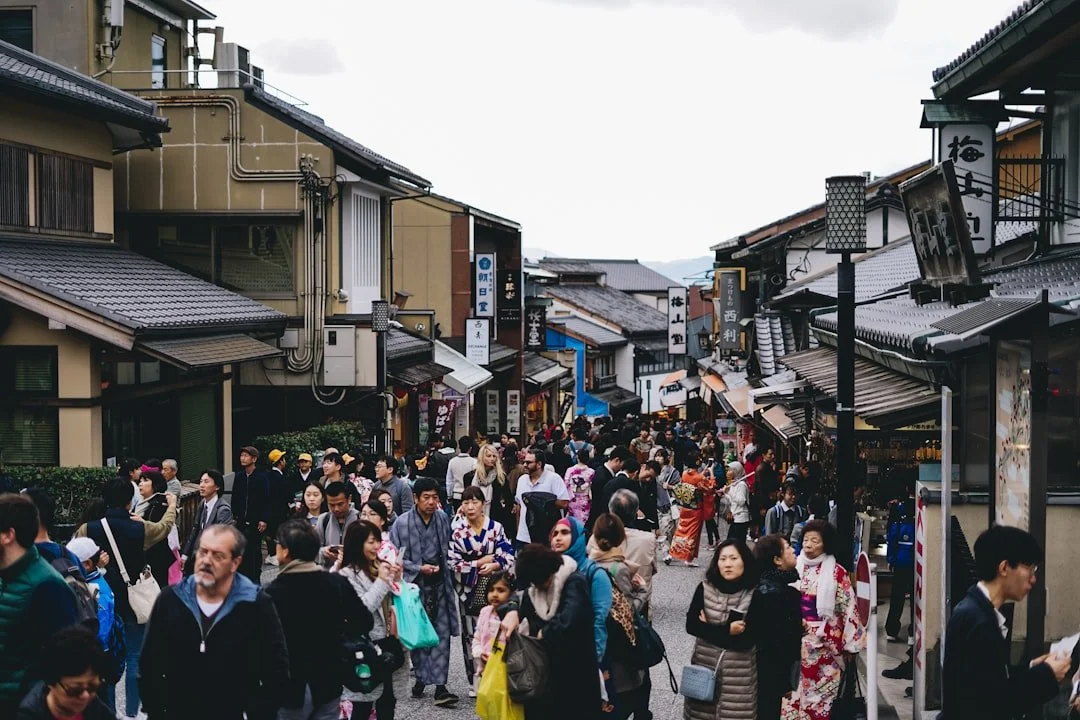
Luxury hospitality is following the same money, and spreading. The Waldorf Astoria Osaka - 252 rooms, none smaller than 50 square metres - opened in March 2025, timed to the World Expo, and Osaka now competes with Niseko and Kobe for guests who would once have gone straight to Tokyo or Kyoto.
What those guests want has shifted too. Tea ceremonies, private onsen, an afternoon in a lacquerware workshop: the premium is no longer on the room, it is on access to something a visitor cannot book from abroad. This suits Japan enormously, because it is the one thing here that cannot be discounted or copied.
What the numbers mean for brands building in Japan
The temptation right now is to build a Japan strategy for the tourist. It is the wrong instinct, and I have watched brands make it before. Inbound spending pays the bills this year; the domestic customer decides whether you are still here in ten. Japanese luxury consumers are demanding in a way that is genuinely useful - they notice inconsistency, they punish it quietly, and once you have earned their trust they stay for a decade rather than a season.
The long-term case for the market is real. Knight Frank projects the global ultra-high-net-worth population to grow 28% over five years, with Asia leading at around 40%. Japan sits inside that curve with the deepest luxury retail infrastructure in the region and a customer base that rewards patience.
So the boom is worth taking seriously. Just build for the customer who lives here, and let the tourists be the upside rather than the plan.
Interested in entering Japan's luxury market or developing a strategy tailored to Japanese high-net-worth consumers?
Get in touch